
Undergraduate Students
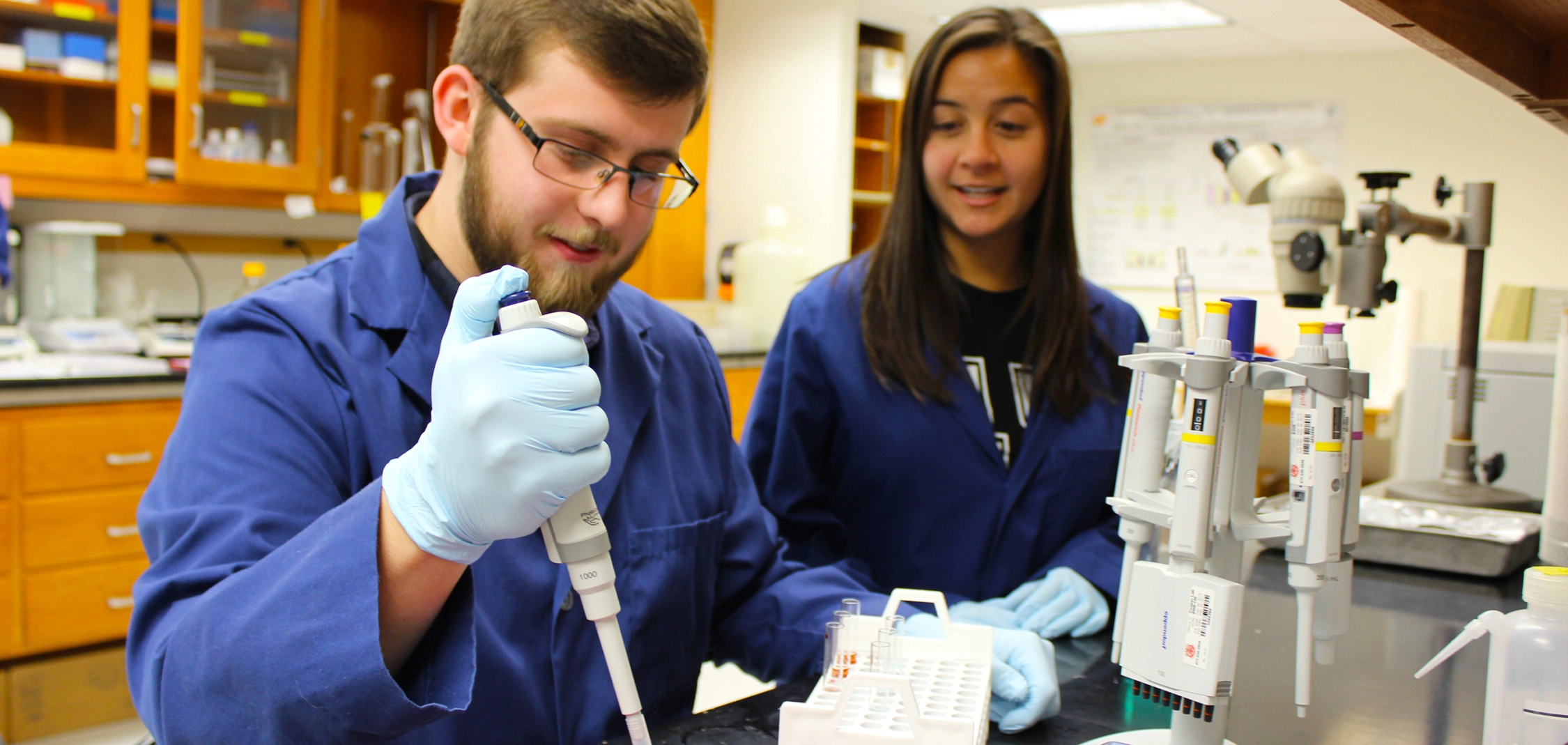
The Department of Psychology, University of Tennessee, Knoxville, offers two undergraduate degree paths: a Bachelor of Arts in Psychology and a Bachelor of Science in Neuroscience. Both curricula ensure exposure to the breadth of experimental and applied psychology, while also allowing flexibility in choosing courses that fit students’ unique interests. In addition to standard coursework, students may also earn credit toward the degree from hands-on experience doing research with faculty members or volunteering in local community agencies.
Graduate Students
The Psychology Department offers doctoral training in: Clinical Psychology, Counseling Psychology, Cognitive & Developmental Science, Neuroscience & Behavior, and Social Psychology. We also offer a master’s program in Experimental Psychology.
Faculty News
- The Conversation: ‘Animal behavior research is getting better at keeping observer bias from sneaking in – but there’s still room to improve’
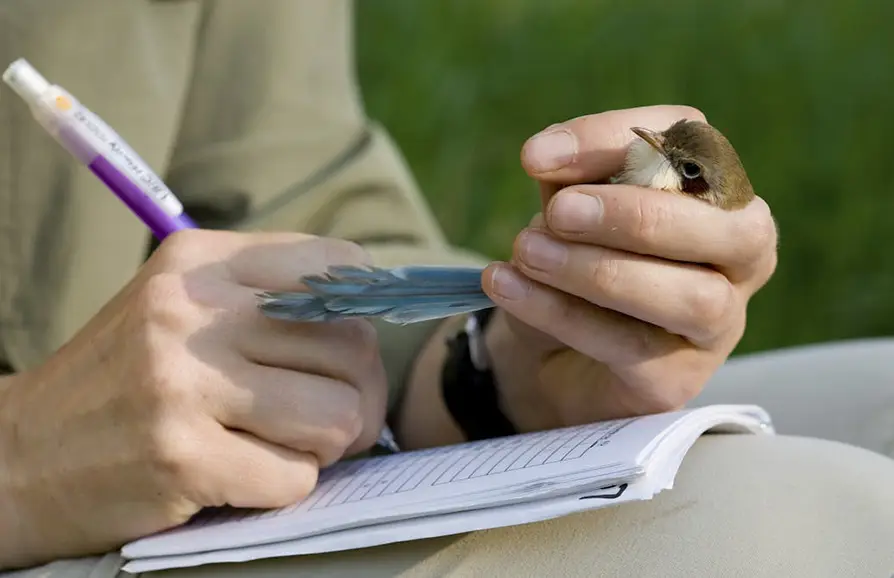 Todd M. Freeberg, University of Tennessee Animal behavior research relies on careful observation of animals. Researchers might spend months in a jungle habitat watching tropical birds mate and raise their… Read more: The Conversation: ‘Animal behavior research is getting better at keeping observer bias from sneaking in – but there’s still room to improve’
 - Psychology Faculty Honored with Awards for Diversity Leadership, Advising, Teaching, and Research Excellence
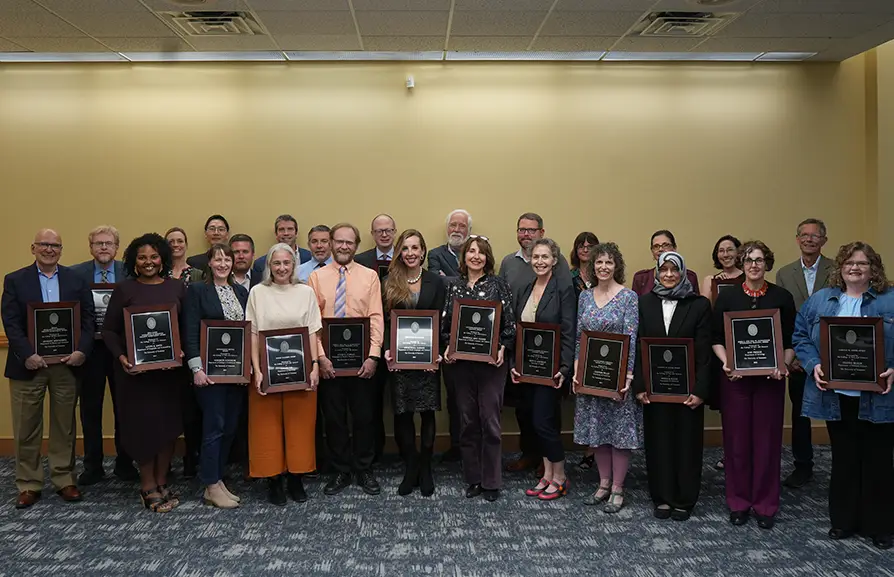 During the 2023 College of Arts and Sciences Faculty Convocation, several faculty in the Department of Psychology were honored for excellence in teaching, advising, research, and outreach. Kalynn Schulz, Assistant… Read more: Psychology Faculty Honored with Awards for Diversity Leadership, Advising, Teaching, and Research Excellence
 - Lamer and Team Read the Room for Angry Crowd Bias
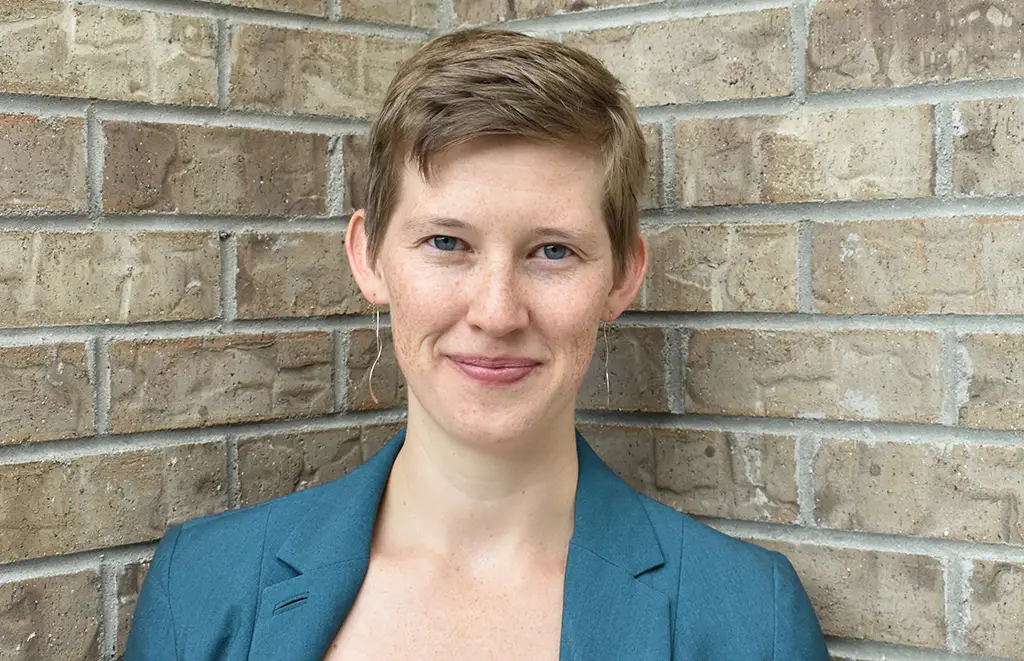 Sarah Lamer’s research into the psychology of social biases found favor with an international audience this year, earning her a spot on the Association for Psychological Science (APS) roster of… Read more: Lamer and Team Read the Room for Angry Crowd Bias
Student News
- Embrace Endless Opportunities
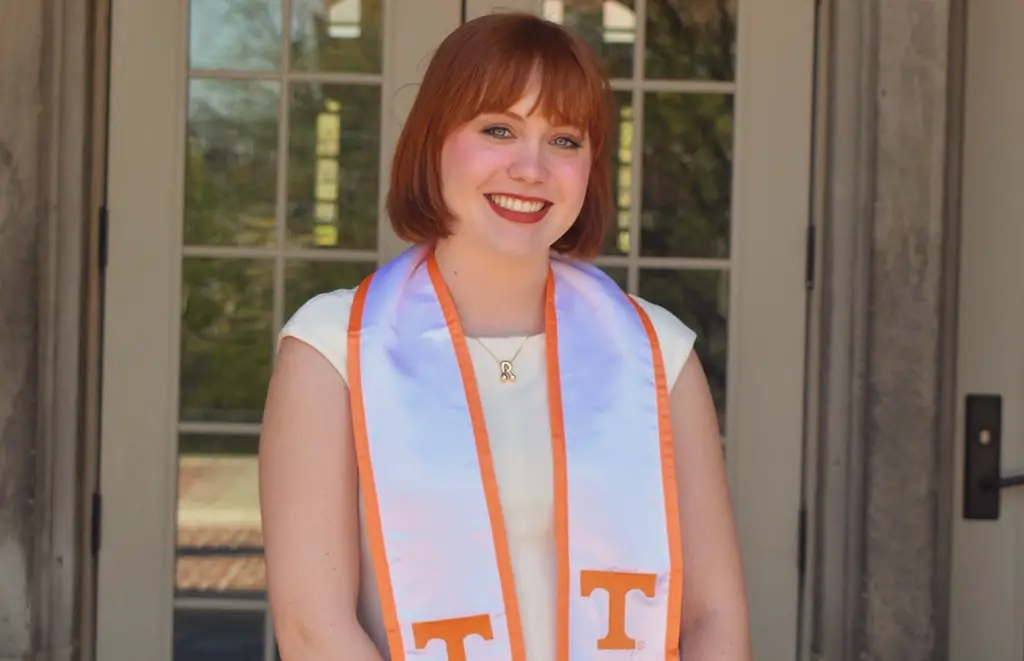 by Randall Brown Rachel Laribee came to UT Knoxville from Arlington, Tennessee, near Memphis, and will graduate this spring with not just a double major in psychology and women, gender,… Read more: Embrace Endless Opportunities
 - Phillip McGarry Published in ‘The Conversation’
 Republicans and Democrats consider each other immoral – even when treated fairly and kindly by the opposition How a political opponent acted didn’t change participants’ harsh moral judgments. wildpixel/iStock via Getty… Read more: Phillip McGarry Published in ‘The Conversation’
 - Dante Stallworth, former UT psychology student and football star, wrote a powerful Op-Ed piece for the New York Times
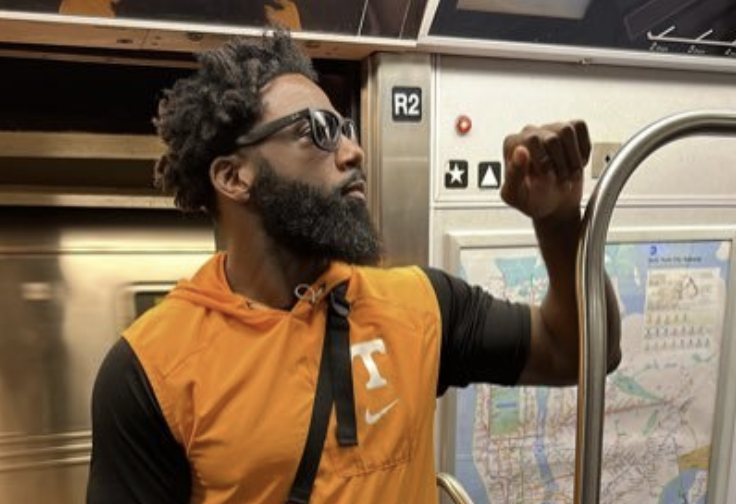 I Played in the N.F.L. It Needs Way More Than a Black Anthem. If the league wants to show its commitment to its players, it should hire and promote more… Read more: Dante Stallworth, former UT psychology student and football star, wrote a powerful Op-Ed piece for the New York Times